
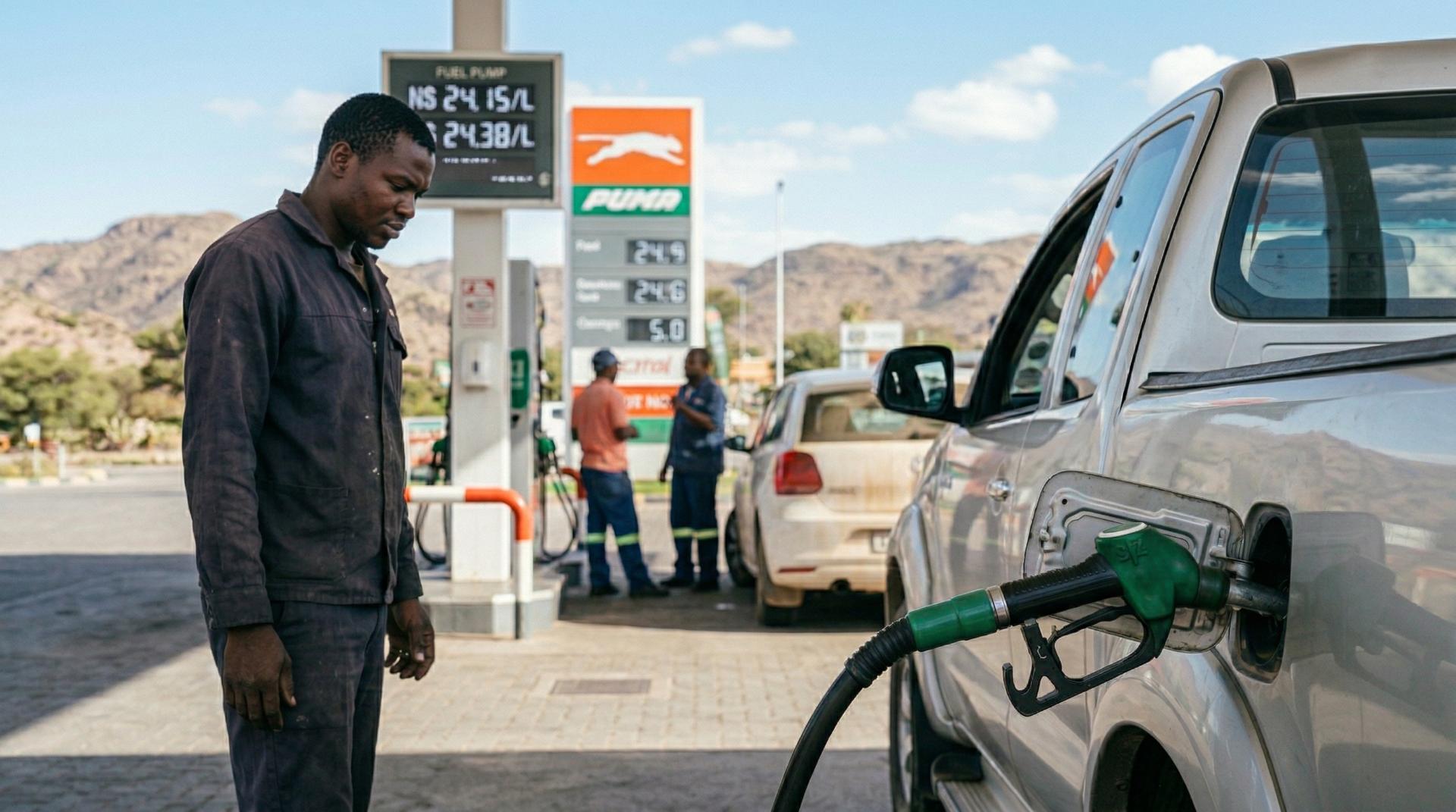
April 2026 delivered a harsh reality check to Namibian motorists. With petrol jumping by N$2.50 per litre and diesel surging by an unprecedented N$4.00, the immediate pain at the pump is undeniable. But for anyone buying, selling, or developing real estate, a much larger question is looming: will these fuel shocks ultimately filter through to property values?
In a country as vast as Namibia—where road transport is the absolute lifeblood of the economy—the short answer is yes. However, the impact won't be a simple, uniform spike or drop. Instead, it is creating a ripple effect that is actively reshaping buyer behavior, construction costs, and market demand.
Here is how the rising cost of fuel is shifting the ground beneath the Namibian property market.
1. The Commuter's Dilemma: Location vs. Logistics
For years, the pursuit of affordable housing has driven urban sprawl. In Windhoek, many first-time buyers have historically looked to the city’s peripheries, or neighboring towns like Okahandja, to get their foot on the property ladder.
But as the cost of a daily commute skyrockets, the mathematics of homeownership are shifting. Buyers are now forced to weigh monthly mortgage savings against soaring fuel bills. This shifts consumer demand inward. We are seeing heightened interest—and consequently, stronger property values—for centrally located homes, townhouses, and properties closer to major commercial hubs. Conversely, price growth on the extreme outskirts may cool as the "commuter penalty" becomes too heavy for the average household to carry.
2. The Rising Cost of Bricks and Mortar
Real estate is heavily dependent on the logistics of construction. Building materials—cement, bricks, steel, and timber—are heavy and rely entirely on diesel-powered freight to reach construction sites.
When diesel prices spike, transport costs rise almost overnight. Developers are inevitably forced to pass these elevated logistics costs onto the end buyer, making new-build homes significantly more expensive. In a Namibian market already constrained by a limited supply of serviced land, the rising cost of new developments means the demand for existing homes will remain high, keeping overall property prices elevated even as general buying power shrinks.
3. The Inflation Trap and Interest Rates
Fuel is an economic multiplier. The cost of fuel quickly cascades into the prices of food, retail goods, and services, driving up headline inflation and resulting in a direct loss of purchasing power for the average Namibian household.
This creates a tight affordability squeeze. While the Bank of Namibia’s recent easing of interest rates provided much-needed relief to the middle-income housing sector, a sustained fuel-driven inflation shock could force the central bank to pause further rate cuts. If everyday living expenses remain high and borrowing costs plateau, many prospective buyers will be priced out, potentially slowing transaction volumes in the affordable and middle-income segments.
4. The Oil and Gas Paradox
There is, however, a fascinating irony at play. The same global tensions driving up the cost of imported fuel are shining a spotlight on Namibia’s own burgeoning energy sector.
The ongoing oil and gas developments off the coast are attracting a wave of foreign investment, industry executives, and expatriates. This economic pivot has created a surge in demand for luxury properties and high-end rentals in areas like Windhoek, Swakopmund, and Walvis Bay. As a result, the luxury housing market (N$3 million and above) remains remarkably robust, largely insulated from the domestic affordability crunch felt elsewhere in the country.
The Bottom Line
Fuel prices will not crash the Namibian property market, but they are undoubtedly a catalyst for structural change. We can expect a widening gap: highly sought-after urban centers, a luxury segment propped up by the energy boom, and a middle-market battling the rising cost of living.
For prospective buyers, investors, and the real estate professionals at Rightmove Properties navigating the 2026 market, the old real estate adage has officially been updated. It is no longer just about "location, location, location"—it is now about location, logistics, and the cost of the commute.